
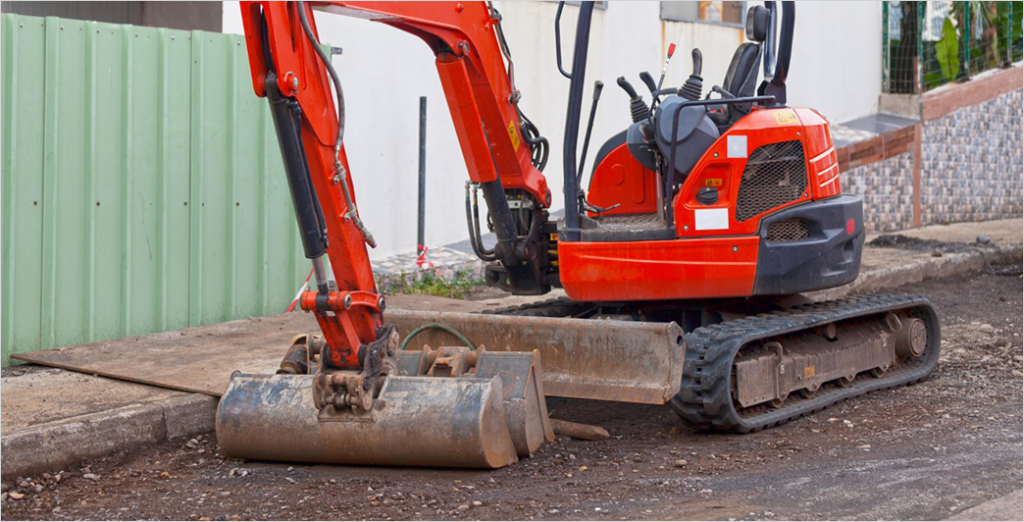
Picking the wrong mini excavator can slow a project down, push costs up, and even create safety problems on site. The right machine comes down to far more than its digging capacity alone.
A handful of challenges tend to come up again and again:
- Hiring a machine that cannot access the work area.
- Forgetting to match attachments with the job.
- Choosing the wrong operating weight for the ground conditions.
- Paying for a larger excavator when a compact model would complete the work more efficiently.
With more than 30 years of industry experience, Sydney West Hire has helped contractors, landscapers, civil crews, and homeowners make informed decisions about equipment hire in Sydney. This guide walks through how to choose the right mini excavator, understand machine sizes, and select attachments that lift productivity without adding costs nobody planned for.
Selecting the right mini excavator comes down to the project itself, site access, digging depth, and attachment requirements, not simply hiring the largest machine on the lot. Drawing on years of experience in equipment hire in Sydney, Sydney West Hire helps customers land on equipment suited to residential, commercial, landscaping, and civil construction projects.
Why Is a Mini Excavator the Right Choice for Many Sydney Projects?
Mini excavators exist for projects where space runs tight but digging power still matters. Their compact size lets operators work efficiently across residential properties, commercial developments, landscaping projects, and confined construction sites, all without the footprint that larger earthmoving equipment demands.
Compared with standard excavators, mini excavators travel easier, need less room to operate, and tend to leave a smaller mark on surrounding areas.
They’re commonly used for:
| Project Type | Typical Work |
| Residential construction | Footings, trenches, drainage, backyard excavation. |
| Landscaping | Garden preparation, retaining walls, tree removal. |
| Plumbing and drainage | Service trenches, stormwater installation. |
| Civil works | Utility repairs, kerb works, small infrastructure projects |
| Demolition preparation | Removing concrete, clearing structures, excavation. |
For many contractors, mini excavator hire in Sydney opens up access to modern machinery without the long-term costs that come with owning it outright.
That said, experienced operators know productivity rarely comes down to digging power on its own.
Hire The Right Mini Excavator Every Time
What Mini Excavator Size Should You Hire?
The right mini excavator size depends on access restrictions, excavation depth, lifting requirements, and how much working space is actually available. Going with the smallest machine that can safely handle the job tends to be the more practical path.
Here’s a general guide to common mini excavator sizes:
| Operating Weight | Suitable Applications | Access Considerations |
| 1-2 tonne | Backyard landscaping, narrow side access, trenching, fencing. | Fits through many residential gateways. |
| 2-3 tonne | Drainage, retaining walls, small building works. | Suitable for most residential projects. |
| 3-5 tonne | Commercial landscaping, earthworks, service installation. | Requires wider site access. |
| 5-8 tonne | Larger excavation, civil construction, bulk earthmoving. | Best suited to commercial sites. |
Operating weight matters, but digging depth, breakout force, hydraulic flow, and attachment compatibility all deserve a seat at the table too when it comes to equipment selection.
A common misconception holds that larger excavators finish projects faster as a rule. In practice, oversized machines can end up spending extra time manoeuvring around tight spaces, protecting nearby structures, or sitting idle while spoils get removed.
Experienced hire specialists tend to point out that project sequencing should shape machine selection just as much as excavation volume does. If plumbing, electrical, concreting, and landscaping teams are all working the same site, a compact excavator that stays out of everyone’s way can keep multiple trades moving at once instead of waiting on access.
Anyone comparing providers for the Best mini excavator hire in Sydney 2026 would do well to look past fleet size alone. Machine condition, servicing history, attachment availability, technical advice, and flexible hire periods tend to shape project outcomes far more than simply owning the newest gear.
Quick Comparison: Which Mini Excavator Is Right for Your Project?
| Project | Recommended Size | Common Attachments |
| Garden renovation | 1–2 tonne | General purpose bucket, auger |
| Fence post installation | 1–2 tonne | Auger attachment |
| Drainage installation | 2–3 tonne | Trenching bucket |
| Retaining wall excavation | 2–3 tonne | Tilt bucket |
| Commercial landscaping | 3–5 tonne | Mud bucket, grab |
| Small demolition | 3–5 tonne | Hydraulic breaker |
| Civil utility works | 5–8 tonne | Rock bucket, hydraulic hammer |
Getting the combination of machine size and attachment right usually matters more than simply going bigger. A well-matched excavator burns less fuel, gives the operator better control, and gets through tasks more efficiently, all without pushing hire costs up.
Which Attachments Can Make a Mini Excavator More Productive?
The right attachment can lift productivity more than upgrading to a bigger excavator ever would. Machine size decides lifting capacity and digging depth, but attachments decide what the excavator can actually do once it’s on site.
Getting the attachment right often cuts manual labour, shortens the project timeline, and removes the need to hire extra equipment on top.
| Attachment | Common Applications | Why It Matters |
| General purpose bucket | Excavation, trenching, site preparation | Suitable for everyday earthmoving tasks. |
| Trenching bucket | Utilities, drainage, irrigation | Creates cleaner, narrower trenches with less spoil removal. |
| Mud bucket | Landscaping, final grading | Produces a smoother finish during site preparation. |
| Tilt bucket | Batters, drainage, shaping | Adjusts to varying ground angles without repositioning the machine. |
| Hydraulic breaker | Concrete removal, rock breaking | Reduces manual demolition work. |
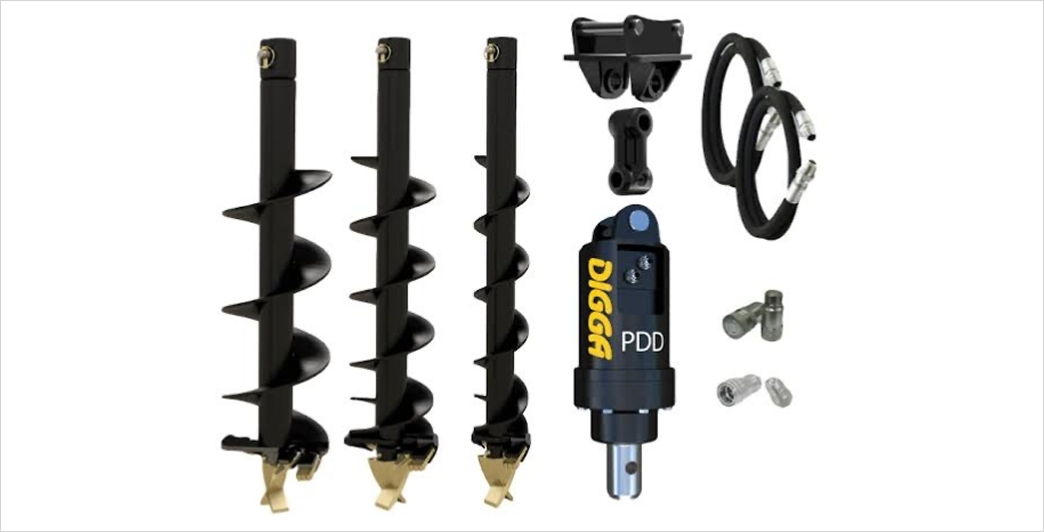
| Auger | Fence posts, tree planting, foundations | Drills consistent holes quickly and accurately. |
| Grab attachment | Timber, rocks, demolition materials | Improves handling of bulky or irregular materials. |
Bucket capacity gets a lot of attention, but hydraulic compatibility gets overlooked more than it should. Not every excavator delivers the same hydraulic flow or auxiliary connections that specialised attachments need. Checking compatibility before booking helps sidestep delays once the machine actually reaches site.
Attachment changeover time is another detail that tends to fly under the radar. When a project needs frequent switching between buckets, breakers, and augers, a machine fitted with a quick hitch can cut downtime across the day considerably.
For contractors running multiple projects across the region, mini excavator hire in Western Sydney tends to work best when attachments come from the same supplier. Doing so simplifies logistics and keeps every component compatible with the machine on hire.
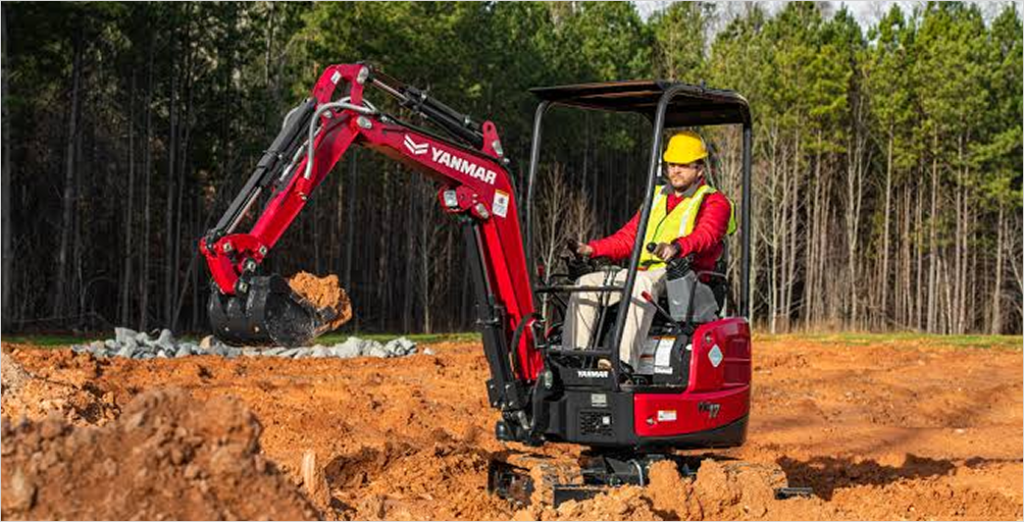
How Do You Choose the Best Mini Excavator Hire in Sydney in 2026?
Choosing the right rental company goes beyond just looking at the daily rates. Equipment condition, fleet availability, technical advice and support throughout the hire period all combine to result into a smoother project.
A few things to check before you book:
1. Does the supplier help match the machine to the project?
The right hire company will ask you about your project, not try to sell you the biggest excavator on the lot. The right machine for the job really depends on the depth of the excavation, width of access, soil type, and what attachments are needed.
2. Is the equipment regularly maintained?
Well-maintained machinery doesn’t suddenly stop working. Regular servicing also helps with safe operation and more reliable performance when in service.
3. Are multiple attachments available?
You will avoid compatibility problems and simplify transportation by purchasing attachments from the same supplier.
4. Are hire periods flexible?
Construction schedules shift constantly because of weather, approvals, or supplier delays. Flexible hire periods give you more certainty when timelines move.
Experienced contractors tend to understand that the best hire experience starts well before the machine turns up. Clear conversations about site access, unloading locations, fuel requirements, and collection arrangements go a long way toward preventing interruptions once work gets underway.
Fleet consistency is another point that generic articles rarely touch on. Contractors working across several sites often stick with similar machine models, since familiar controls cut down on operator adjustment time and keep productivity steady between projects.
Make Your Excavation Project More Efficient
What Should You Check Before Hiring a Mini Excavator?
A handful of practical checks before delivery can prevent costly delays and keep the site safer. Run through this checklist before confirming your booking:
| Checklist Item | Why It Is Important |
| Confirm access width and height | Ensures the excavator can enter the work area safely. |
| Review underground services | Protects existing utilities before excavation begins. |
| Select the correct attachments | Matches the machine to the planned work. |
| Confirm delivery arrangements | Prevents unloading issues on arrival. |
| Allow suitable operating space | Improves efficiency and safety around structures. |
| Review operator experience | Supports safe and productive operation. |
| Check project duration | Helps avoid unnecessary hire extensions. |
| Understand return requirements | Reduces unexpected cleaning or refuelling charges. |
Working through these details before delivery tends to shape project efficiency more than simply going up a size. A lot of delays trace back to access, transport, or attachment requirements that nobody thought through at the booking stage.
Conclusion
Choosing the right mini excavator comes down to matching the machine to the project rather than reaching for the biggest model on offer. Site access, operating weight, attachments, transport, and project sequencing all shape how efficiently the work actually gets done.
With more than 30 years of experience in equipment hire in Sydney, Sydney West Hire has supported contractors, businesses, landscapers, and homeowners across a wide range of excavation projects. Whether you need advice on machine size, attachments, or flexible hire options, an experienced team can help you land on equipment that fits what your project actually needs. If you’ve got an excavation project coming up, get in touch to talk through the most suitable solution.
FAQs
Can a mini excavator fit through a standard residential side gate?
Many 1 to 2 tonne mini diggers are manufactured for restricted access and can fit through wider residential gateways. But gate widths do vary and measuring the access point before hiring will help ensure the selected machine can enter the site without delays.
Do I need to hire attachments separately?
Hire packages sometimes include standard buckets with specialised attachments such as augers, hydraulic breakers or grabs available for hire separately. Confirming the booking of attachment requirements can help ensure the machine arrives ready for the planned work.
Is a larger mini excavator always more productive?
Not always. Larger machines can excavate more but are less effective in confined areas. An excavator of the right size will often do the work quicker by reducing the need for repositioning, improving access and minimising disruption around the site.
Can mini excavators be used for both residential and commercial projects?
Yes. Mini excavators are popular for residential landscaping, drainage, renovations, commercial construction, utility installation and civil maintenance. The right choice of machine size and attachments means the same type of equipment can be used for many different applications.