
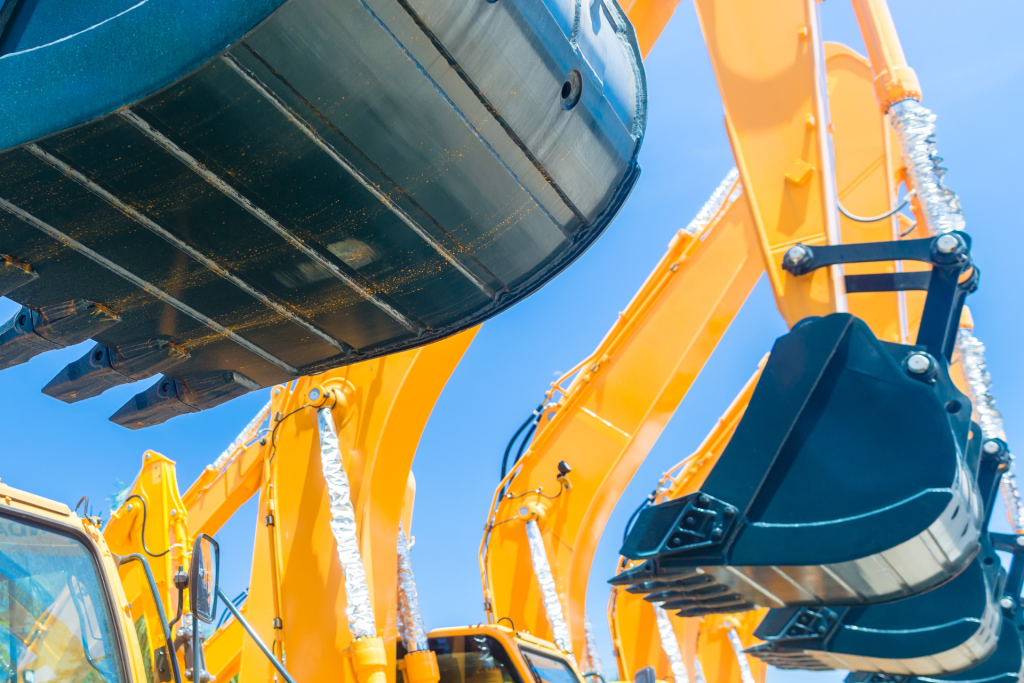
When hiring earthmoving equipment, you might be asked whether you want wet hire or dry hire. If you’re not familiar with the terms, the choice can feel confusing. Understanding the difference can save you time, money, and stress.
Here’s a simple breakdown to help you decide which option suits your project best.
🚜 What Is Dry Hire?
Dry hire means you hire the MACHINE ONLY, without an operator. You or your team are responsible for operating the equipment, transporting it (if required), and completing the work.
Dry hire is best if you:
- Have the correct licences or experience
- Are confident operating machinery
- Are working to a tighter budget
Dry hire is commonly used by landscapers, plumbers, electricians, and builders who regularly operate equipment and understand site requirements.

👷♂️ What Is Wet Hire?
Wet hire means hiring the machine WITH A QUALIFIED OPERATOR. The operator is supplied by the hire company, they are experienced with the equipment and the type of work required.
Wet hire is ideal if you:
- Don’t have machinery experience
- Want the job done quickly and efficiently
Choosing wet hire puts a professional operator in control, saving you effort and reducing the chance of mistakes while speeding up the project.
At first glance, dry hire is usually cheaper per day. However, wet hire can be more cost-effective overall because:
- The job is completed faster
- There’s less risk of damage or rework
- You don’t need to worry about training or insurance
For short or technical jobs, wet hire can often work out better value.
⛑️ Safety and Responsibility
With dry hire, the responsibility for safe operation is under the hirer. This includes following site safety requirements and ensuring the operator is competent.
Wet hire transfers that responsibility to the hire company, as the operator is trained, insured, and experienced in working safely on residential and commercial sites.
⚖️ Which Option Should You Choose?
Choose dry hire if you’re experienced, licensed, and want flexibility.
Choose wet hire if you want speed, expertise, and a hassle-free experience.

If you’re unsure, hire companies can help you decide based on your site access, timeline, and the type of work you’re doing.
Final Thoughts
Choosing between wet and dry hire comes down to your needs, timeline, budget and expertise. Wet hire provides a skilled operator for faster, more efficient, and safer work, while dry hire gives you full control if you have the experience and time. Understanding the difference ensures your project runs smoothly, on schedule, and with minimal hassle. If you are still unsure, feel free to ask you local hiring company Sydney West Hire.
https://shorturl.fm/n5j56
https://shorturl.fm/KZHA7
https://shorturl.fm/389ge
https://shorturl.fm/WF0kE
https://shorturl.fm/oDt36
https://shorturl.fm/EPhW6
https://shorturl.fm/ywW0x
https://shorturl.fm/g2Uvj
https://shorturl.fm/AH2ui
https://shorturl.fm/wDSUT
https://shorturl.fm/Qsqz0
https://shorturl.fm/GjPly
https://shorturl.fm/P73qm
https://shorturl.fm/h1Xm2
https://shorturl.fm/lhw76
https://shorturl.fm/5tHNX