
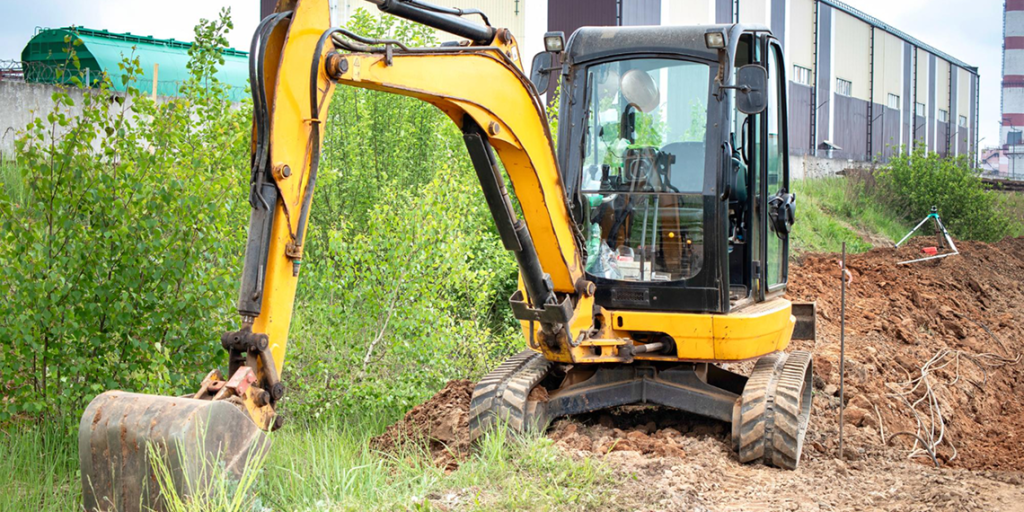
Knowing the cost of equipment you hire is necessary before starting any project. Many projects spent more than their expected budget due to the lack of proper planning in terms of usage and the terms of hire. The same is the case when you do consider hiring an excavator . This leads to:
- Paying more even though equipment was not used properly.
- Experiencing inefficient output due to wrong machine choices.
- Extra charges quickly add up because of lack of awareness.
Sydney West Hire has over 30+ years of experience providing mini excavator hire in Sydney based on the site requirement. In this blog, we’ll know the factors that impact cost and how to stay on top of your budget when hiring an excavator.
The price of mini excavator hire in Sydney in 2026 will depend on the size of the machine, duration of hiring, and project scope. Short-term rentals cost more per day, but longer rentals cost less. Other aspects that impact the total cost of a project are attachments, transportation, and operator needs.
What Is The Average Cost Of Excavator Hire In Sydney In 2026?
The cost of renting an excavator depends on how big the machine is and how long you need it. Smaller machines usually cost less per day, but larger excavators cost more since they have high capacity and can do more work in less time.
Common ways of pricing equipment include daily, weekly, and long-term hire. When businesses rely on equipment hire in Sydney, they often save money by comparing different options and finding the best one according to their project needs.
Choose The Right Excavator Hire Option For Better Budget Efficiency
What Factors Influence Excavator Hire Pricing Across Different Projects?
Several factors impact the hiring price of the equipment. Key aspects that influence the cost include the following:
- The state of ground conditions and terrain difficulty.
- Daily transportation and delivery requirements.
- How skilled and experienced the operator is.
When looking for options in construction equipment hire in Western Sydney, you often have to plan carefully to find the right balance between cost and efficiency, especially in areas with a lot of demand.
How Do Excavator Size And Type Affect Overall Hire Costs?
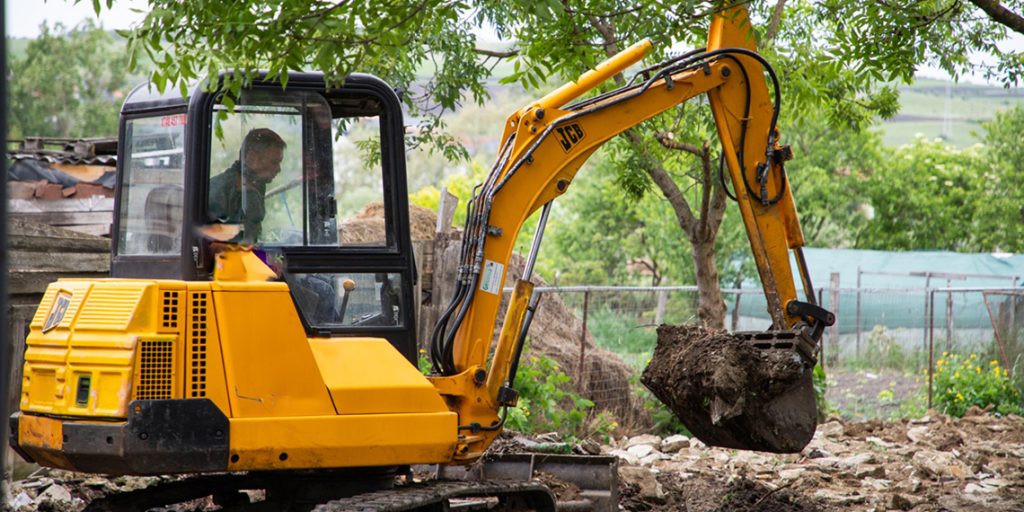
The size of the machine also has a direct impact on the cost of hiring. Smaller excavators are cost-effective and are suitable for tight spaces, whereas larger machines handle heavy-duty tasks.
For example, mini excavator hire in Western Sydney is commonly used for residential projects due to its compact size and versatility.
Choosing the right size ensures:
- Faster task completion.
- Reduced fuel consumption.
- Lower overall hire costs.
Incorrect sizing often leads to delays or unnecessary expenses.
What Is The Difference Between Wet Hire And Dry Hire Pricing?
Wet hire includes both the machine and a qualified operator, while dry hire provides only the equipment.
Wet hire:
- Higher upfront cost.
- Includes operator expertise.
- Reduces risk of operational errors.
Dry hire:
- Lower initial cost.
- Requires trained operator.
- Offers more flexibility.
Understanding machine operation is critical, especially when operating a mini excavator to avoid inefficiencies.
What Additional Costs Should You Expect Beyond The Base Hire Rate?
Base hire rates do not include all expenses. Several additional costs can affect your final budget.
- Delivery and pickup fees.
- Fuel and maintenance costs.
- Attachment hire charges.
For specialised tasks, hiring excavator attachments can increase efficiency but also adds to overall cost.
For material movement, options like site dumper hire in Sydney can complement excavation work and improve productivity.
How Does Project Duration Impact Total Excavator Hire Cost?
Hire duration plays a major role in cost calculation. Short-term hire has higher daily rates, while longer durations reduce cost per day.
Longer projects benefit from:
- Lower daily pricing.
- Better planning flexibility.
- Reduced need for repeated bookings.
Efficient scheduling ensures equipment is used consistently without unnecessary idle time.
How Can You Optimise Excavator Hire Costs For Your Project?
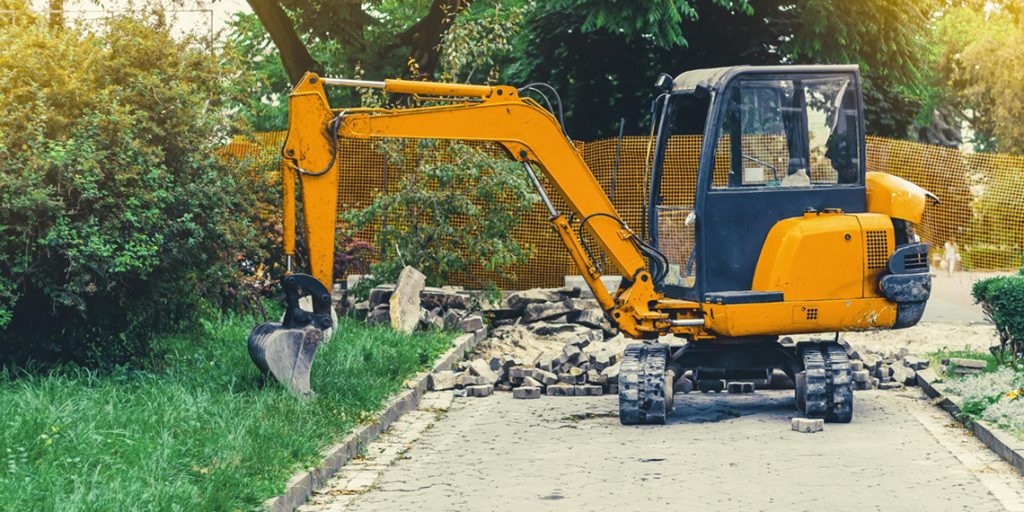
Optimising hire costs requires planning and understanding how equipment will be used.
Start by:
- Selecting the correct machine size.
- Scheduling work to maximise utilisation.
- Avoiding unnecessary extensions.
Safety and efficiency also play a role. Working safely on slopes with an excavator ensures continuous operation without delays.
For smaller tasks, tools like post-hole digger hire in Sydney may be more cost-effective than using larger equipment.
Avoid Unexpected Costs With Smarter Equipment Hire Decisions
Conclusion
Excavator hire costs depend on more than just daily rates. Machine selection, project duration, and efficient usage all play a role in determining total spend.
With years of experience, Sydney West Hire helps businesses choose the right solutions for their projects. Whether you need short-term or extended hire, we ensure reliable and cost-effective mini excavator hire in Sydney options. Get in touch with our team to plan your next project with confidence.
FAQs
What type of excavator is best suited for residential vs. commercial projects?
Residential projects usually require compact machines for tight access, while commercial projects need larger excavators for heavy-duty work. Choosing the right type improves efficiency and reduces overall costs.
How far in advance should you book excavator hire to secure better rates?
Booking at least one to two weeks in advance is recommended, especially during peak periods. Early booking ensures availability and may help secure better pricing.
What operational risks can increase costs during excavation work?
Poor site preparation, incorrect machine use, and safety issues can lead to delays and higher costs. Proper planning and skilled operation reduce these risks.
How do contractors decide the right equipment configuration for a job site?
Contractors assess project scope, terrain, and workload to select equipment. Matching machine capability with job requirements ensures efficient operation and cost control.